
(Mon-Sun) 24/7
317-288-5474Talk to us

September 4, 2026

What we keep hearing from businesses is that passwords are often shared over email or chat, even when everyone knows it’s risky. One clear fact stands out: most data breaches happen because of weak or reused passwords. Industry research shows that more than 80% of breaches are tied to poor password practices, which means your team’s habits matter more than you might think.
A business password manager is a secure tool that helps your company store, organize, and share credentials safely. Instead of relying on memory or spreadsheets, you can use a password manager for business to keep everything protected in one place. This makes password management easier for small business teams and reduces the risk of mistakes that can lead to security problems. With options like 1Password, Bitwarden, and NordPass, you can find a solution that fits your needs and helps your team avoid common pitfalls like password sharing or forgetting a master password.
A business password manager is designed to help companies securely store and manage all their login details in one place. It’s more than just a vault for passwords—it’s a system that helps your team create strong, unique passwords for every account. This means fewer chances for hackers to get in through weak or repeated passwords.
When you use a business password manager, you make it easier for your team to access what they need without putting your business at risk. These tools also make it simple to update passwords, share credentials safely, and keep track of who has access to what. For small businesses, this can be the difference between staying secure and facing a costly data breach.
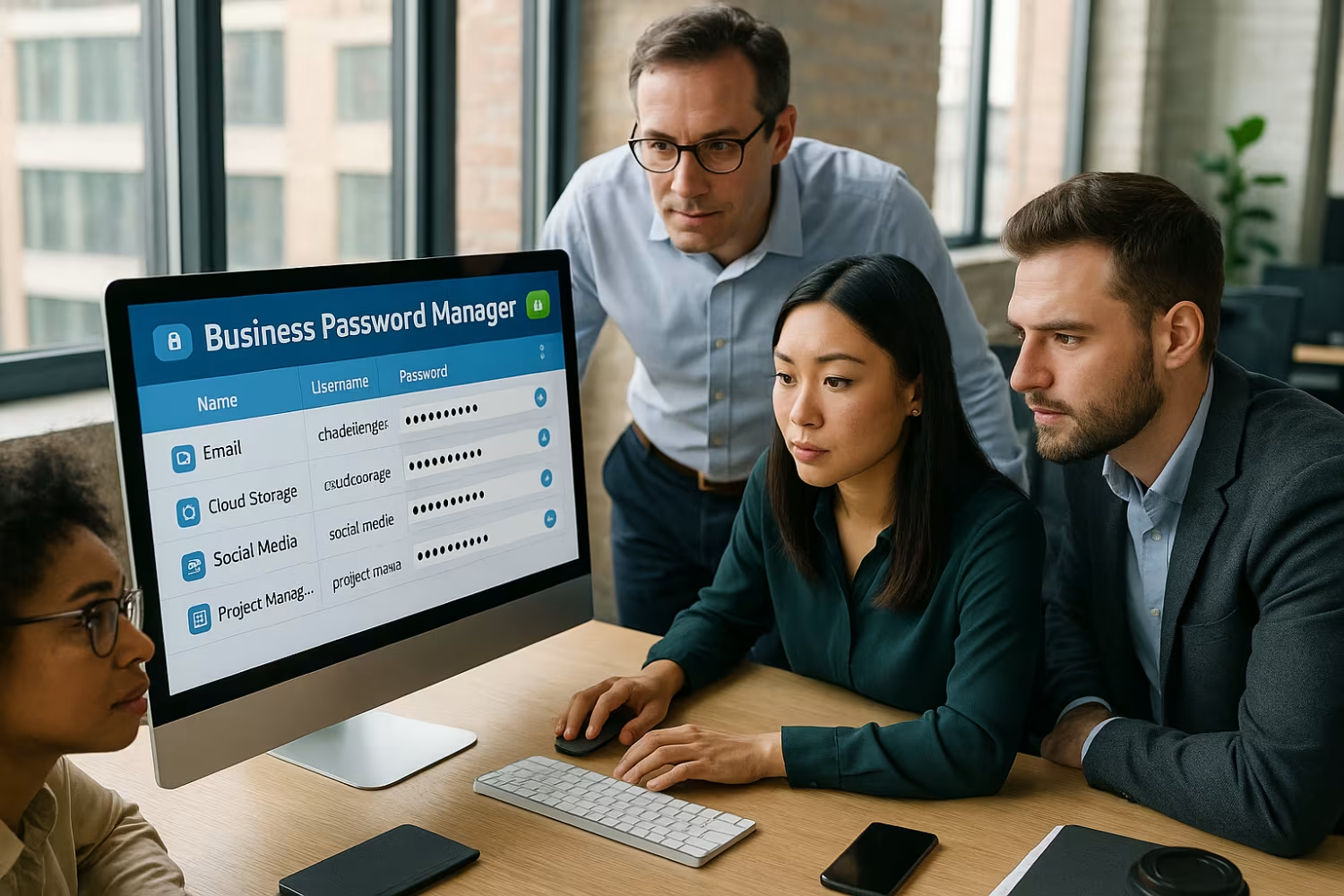
Even with the best password manager, businesses can fall into some easy-to-miss traps. Here are the most common mistakes we see and how you can avoid them.
Some teams still keep passwords in spreadsheets or try to remember them. This is risky because spreadsheets aren’t secure and people forget passwords. Using a dedicated password manager for business is much safer and more reliable.
It’s common for team members to share passwords over email or chat. Without proper controls, this can lead to unauthorized access. A good password manager lets you share credentials securely and track who has access.
Many businesses reuse passwords or pick simple ones. This makes it easy for attackers to break in. A business password manager can generate strong passwords and help you avoid repeats.
Some teams don’t use all the features available, like password audits or secure notes. These tools can help you spot weak passwords and keep sensitive information safe.
If you never change your passwords, you’re at risk if one gets exposed. Regular updates, prompted by your password manager, help protect your business.
A password manager is only effective if everyone knows how to use it. Make sure your team understands how to log in, share, and update credentials securely.
Regular security audits can catch problems before they become serious. Many password managers include audit tools to help you review access and password strength.
A secure password manager for business should offer these key features:
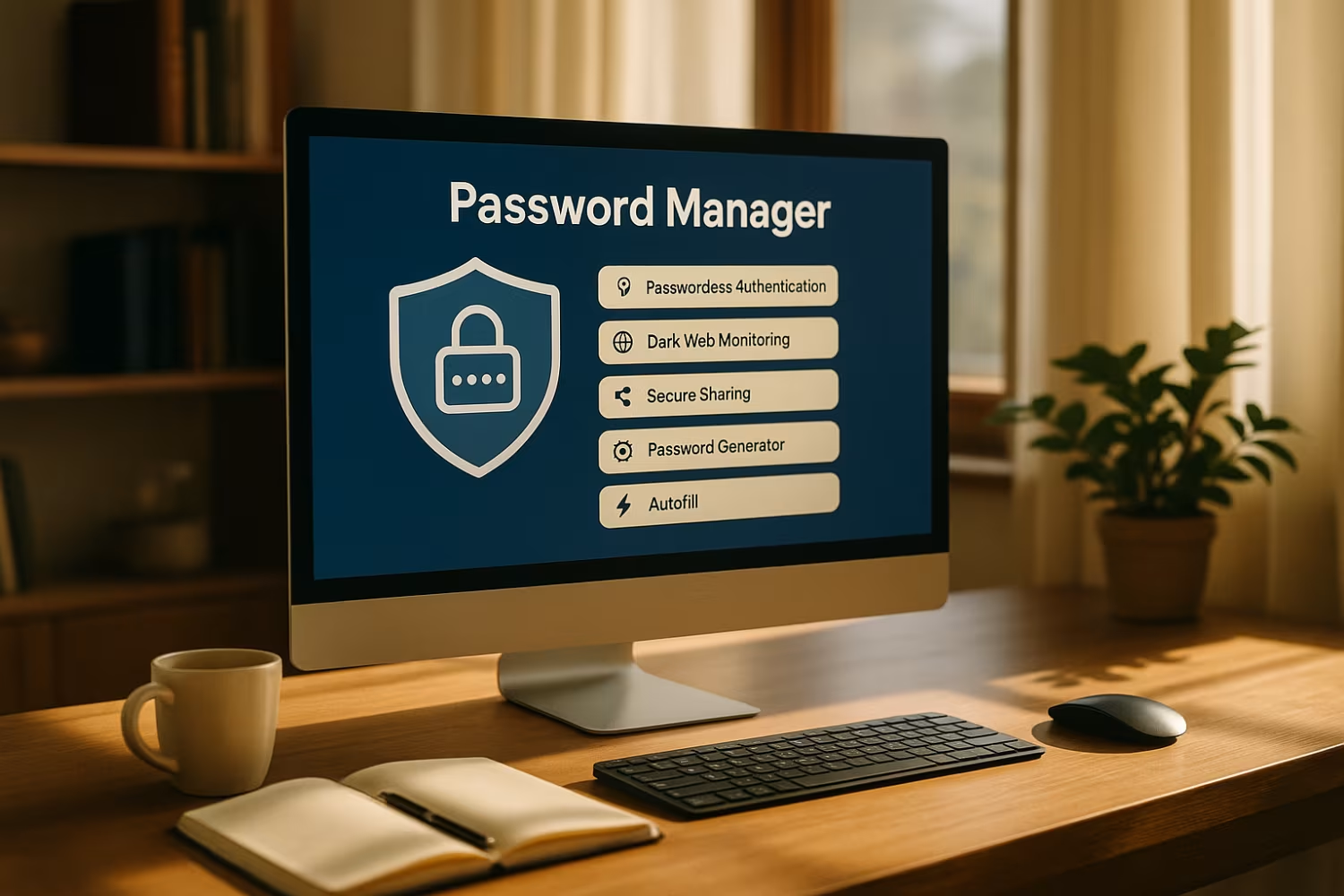
A business password manager isn’t just about security—it’s also about efficiency. When your team can access the passwords they need quickly and safely, they spend less time hunting for logins and more time working. This supports your overall business plan by making your operations smoother and reducing downtime caused by lost or forgotten credentials.
Another benefit is compliance. Many industries require you to follow strict rules about how you handle sensitive information. A business password manager helps you meet these requirements by keeping a clear record of who accessed what and when. This can be especially important during audits or if you ever need to prove your security measures to clients or regulators.
Choosing the right password manager for business can feel overwhelming. Here are some strategies to help you make the best choice for your team.
Start by looking at how your team uses passwords. Do you have lots of shared accounts? Are you working remotely? Understanding your needs will help you pick the right tool.
Not all password managers are the same. Look for features like secure password sharing, audit logs, and integration with tools you already use. Make sure the password manager fits your workflow.
Security is key. Make sure your password manager uses strong encryption to protect your data. This keeps your credentials safe even if someone tries to break in.
A password manager is only helpful if your team can use it. Choose a tool with simple onboarding and clear instructions so everyone can get started quickly.
Pick a password manager that offers reliable support and regular updates. This ensures you get help when you need it and that your tool stays current with new security threats.
Make sure the password manager fits your budget and offers a business plan that matches your company’s size. Some tools offer a free trial so you can test before committing.
Before rolling out to everyone, try the password manager with a small team. This helps you spot any issues and get feedback before a full launch.
Rolling out a password manager for teams takes planning, but it doesn’t have to be complicated. Start by picking a tool that fits your needs and budget. Most providers offer a free trial, so you can test features like secure password sharing and audit logs before making a decision.
Next, set up your vault and add all existing credentials. Assign roles and permissions based on who needs access to what. Make sure to use strong passwords and enable authentication features like multi-factor authentication for added security. Train your team members on how to use the password manager, focusing on how to log in, share passwords, and update credentials securely.
Finally, schedule regular security audits to review password strength and access logs. This helps you catch any issues early and ensures your password management system stays effective as your business grows.
Keeping your business secure means following some simple best practices:
Following these steps will help protect your business from common threats and keep your data safe.

Are you a business with 25 to 150 employees looking for a better way to manage passwords? If your team is growing and you need a reliable system to keep credentials secure, we can help. Our team understands the challenges that come with password management, especially as your business expands.
We work with you to choose and implement the best business password manager for your needs. With our support, you can protect your business, simplify access for your team, and stay focused on what matters most. Contact us today to get started.
A password manager is designed to securely store and encrypt your credentials, while spreadsheets leave your data exposed to anyone who can access the file. Using a password manager for business also helps you generate strong passwords and track who has access, reducing the risk of unauthorized logins or data breaches. This is especially important for small teams that need to share accounts safely.
A business password manager keeps detailed audit logs, showing who accessed which credentials and when. This makes it easier to pass a security audit or prove compliance with regulations. Features like secure password sharing and role-based access controls help you follow best practices and protect sensitive information.
Yes, tools like 1Password and Bitwarden are built for small business needs. They offer features such as a centralized vault, secure password sharing, and easy onboarding for team members. Many also provide a free trial so you can test if the solution fits your workflow before committing to a business plan.
Look for features like strong encryption, multi-factor authentication, and easy integration with tools like Chrome. A good password manager should also offer secure password sharing, audit capabilities, and support for unique passwords for every account. Make sure it’s easy for team members to use and manage.
Start by explaining the risks of password sharing and the benefits of using a password manager for business. Offer training sessions and resources to help team members understand how to log in, create strong passwords, and securely store credentials. Regular reminders and support can help everyone build better password habits.
Most enterprise password manager solutions have secure recovery options, but it’s important to set these up in advance. Encourage team members to use unique passwords and enable backup authentication methods. If someone forgets their master password, the recovery process will help them regain access without putting your business at risk.

_DSC9958%20(1).webp)